Category: Scuba Diving

  • Komodo: Angel Island Resort

    Komodo: Angel Island Resort

    Nestled on Pulau Bidadari (Angel Island) and hidden away from the rest of the world, Angel Island Resort is a beautiful all inclusive exclusive 5 star dive resort in Komodo National Park. The island is about 20 minutes by boat from Labuan Bajo. The resort provides pick up and drop off by private boat.

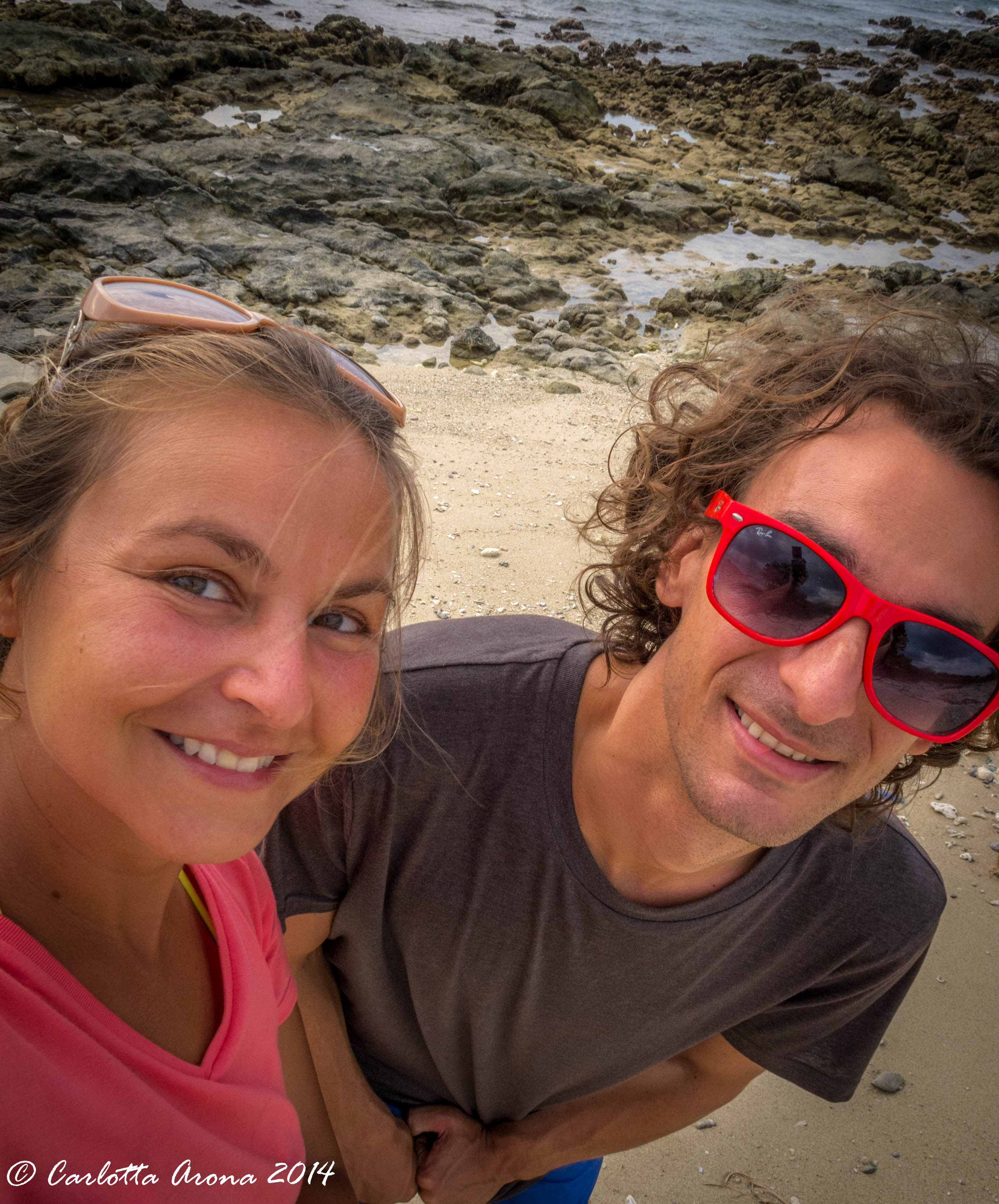
    This is where Dom and I worked last year. It was one of my best experiences.


    THE RESORT

    The two British owners have literally put their hearts and souls into building this resort from scratch.

    There is nothing else on the island except for the lush vegetation Mother Nature provided. It is the perfect setting for a “get away from everything” vacation. Ten luxury bungalows are set amongst a beautiful hibiscus garden and secluded from one another offering a great deal of privacy.

    The resort was built respecting the natural flora and topography of the island. No trees were cut to adjust the building. It is all hidden away, it can hardly be seen from the sea.
    ENJOYING THE RESORT

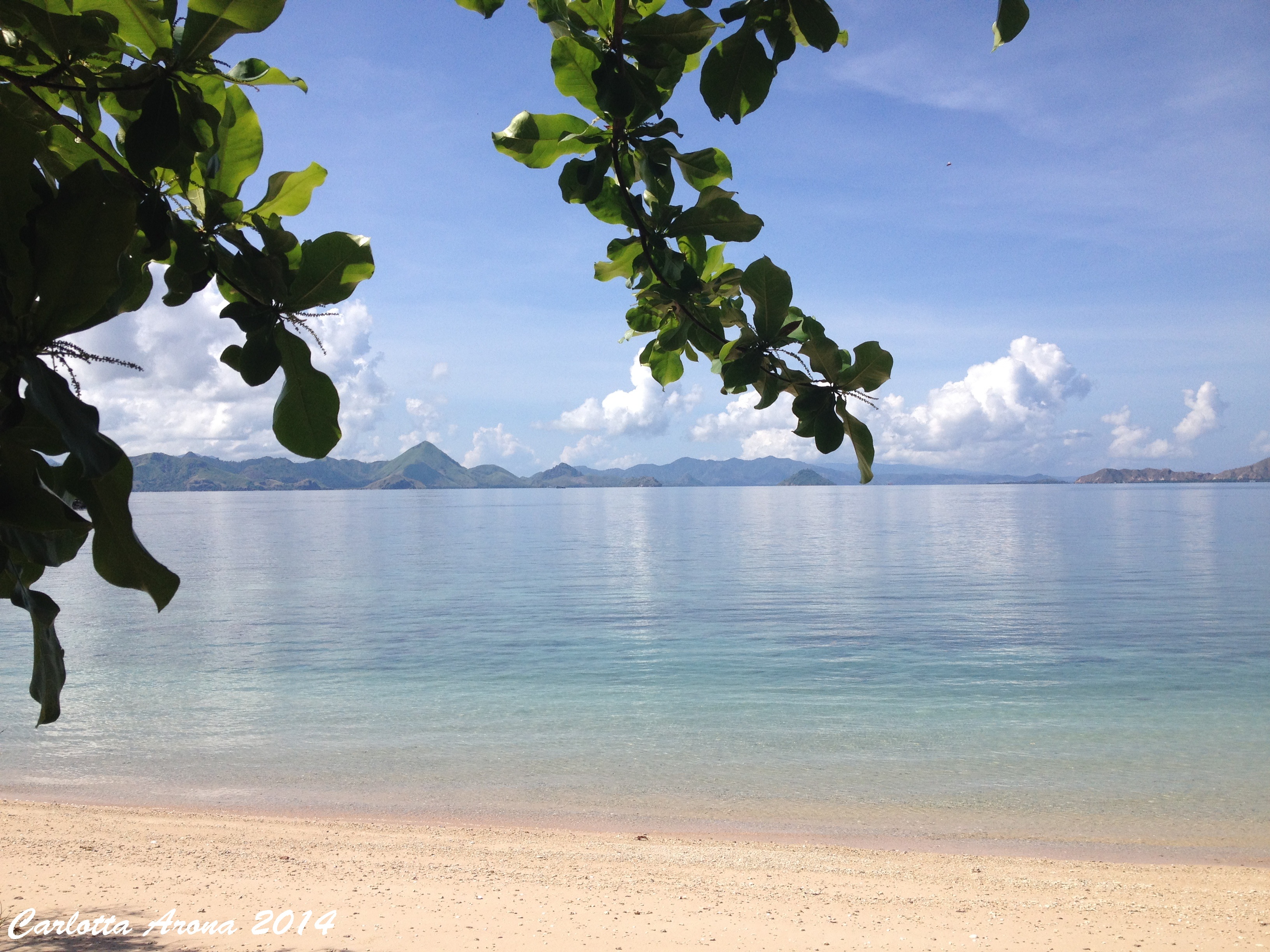
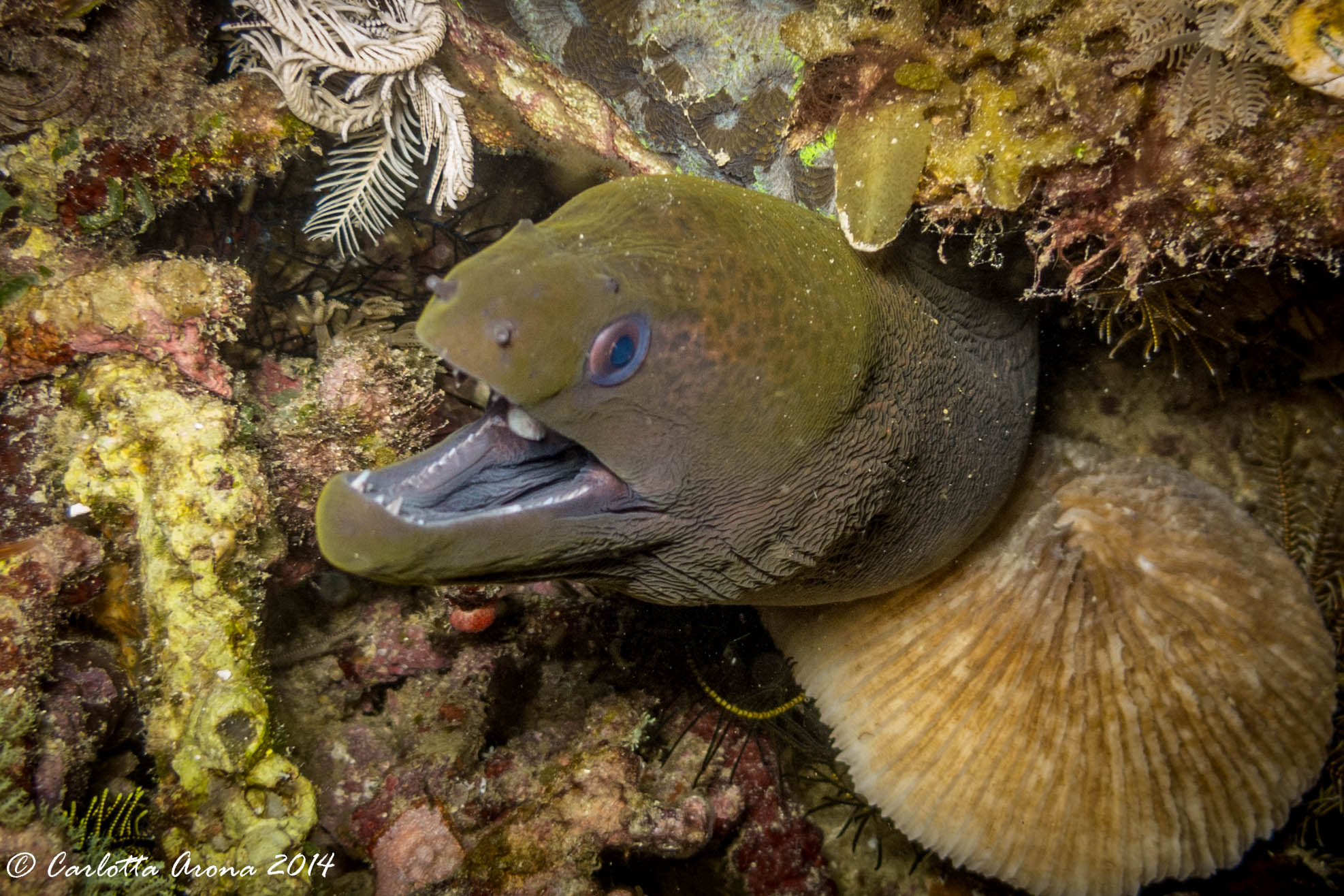
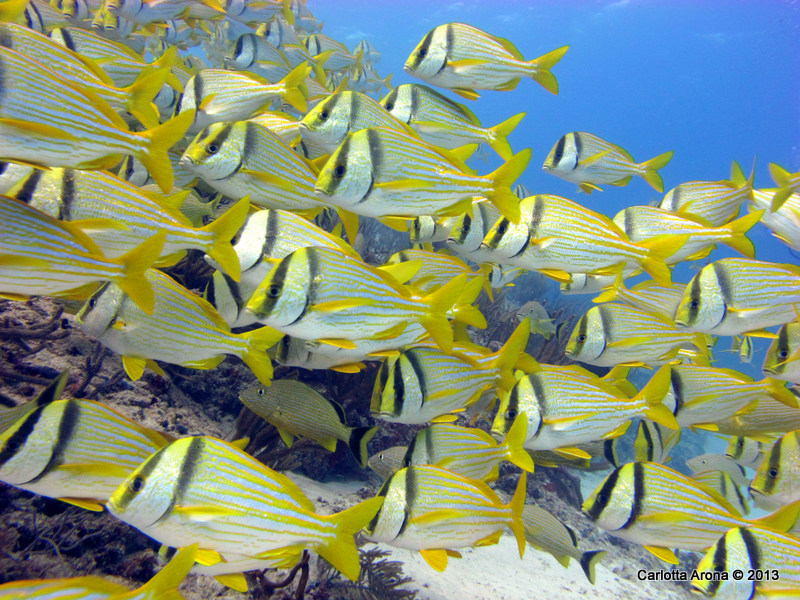
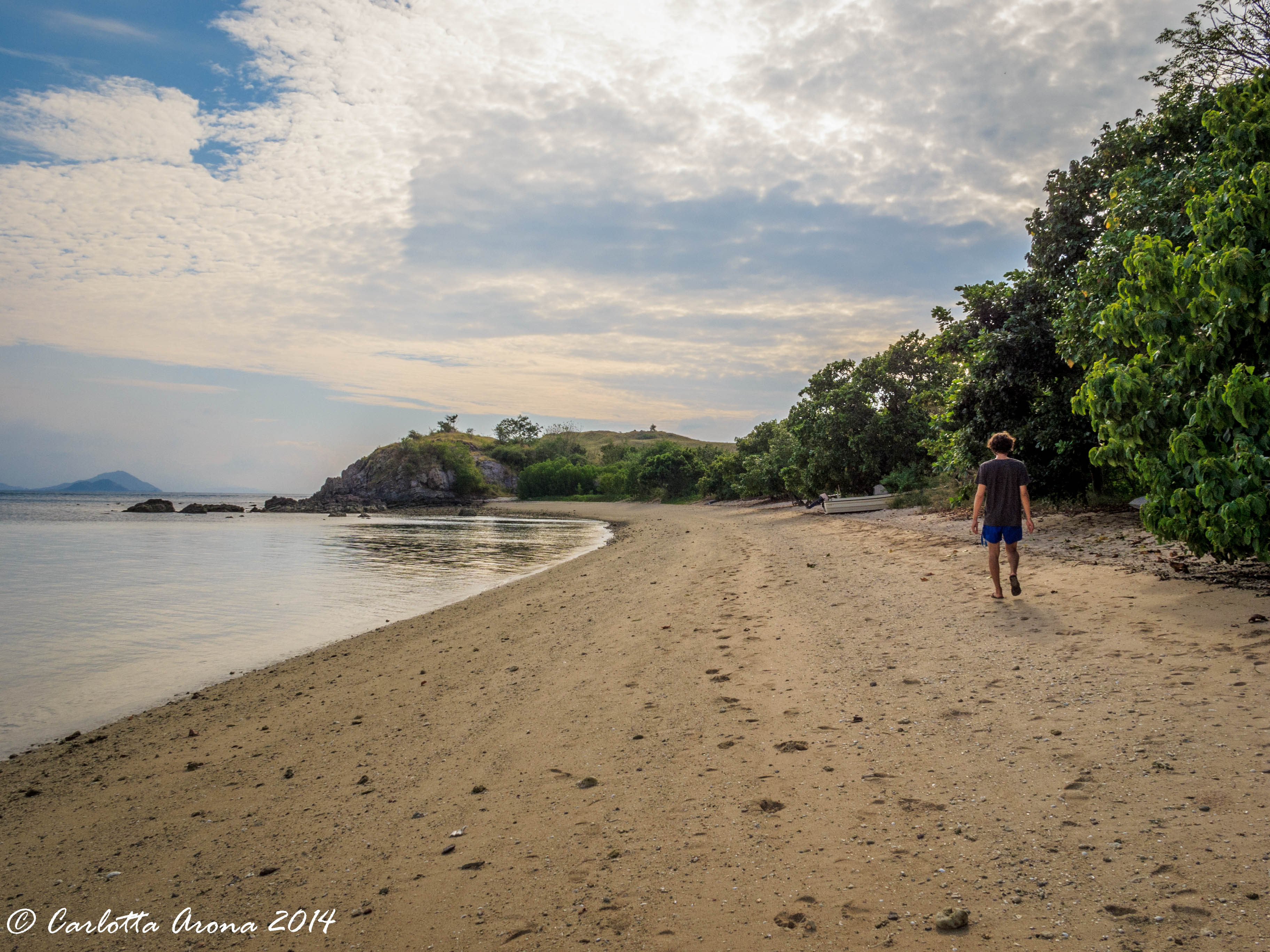
    The private beach is the perfect place to enjoy hot sunshine and to take a swim in the swimming pool like ocean. The main beach is blessed with a splendid house reef just on the doorstep. Many of Angel Island guests spend hours snorkeling in the crystal clear waters. There are many different species of fish to be spotted. Clown fish, Angel Fish, Cuttle fish, Morey Eel, just to name a few.

    There are beautiful views from the hills of the island just behind the resort. Sometimes Bertie, the pet water buffalo, can be spotted munching on the grass or simply amusing himself.

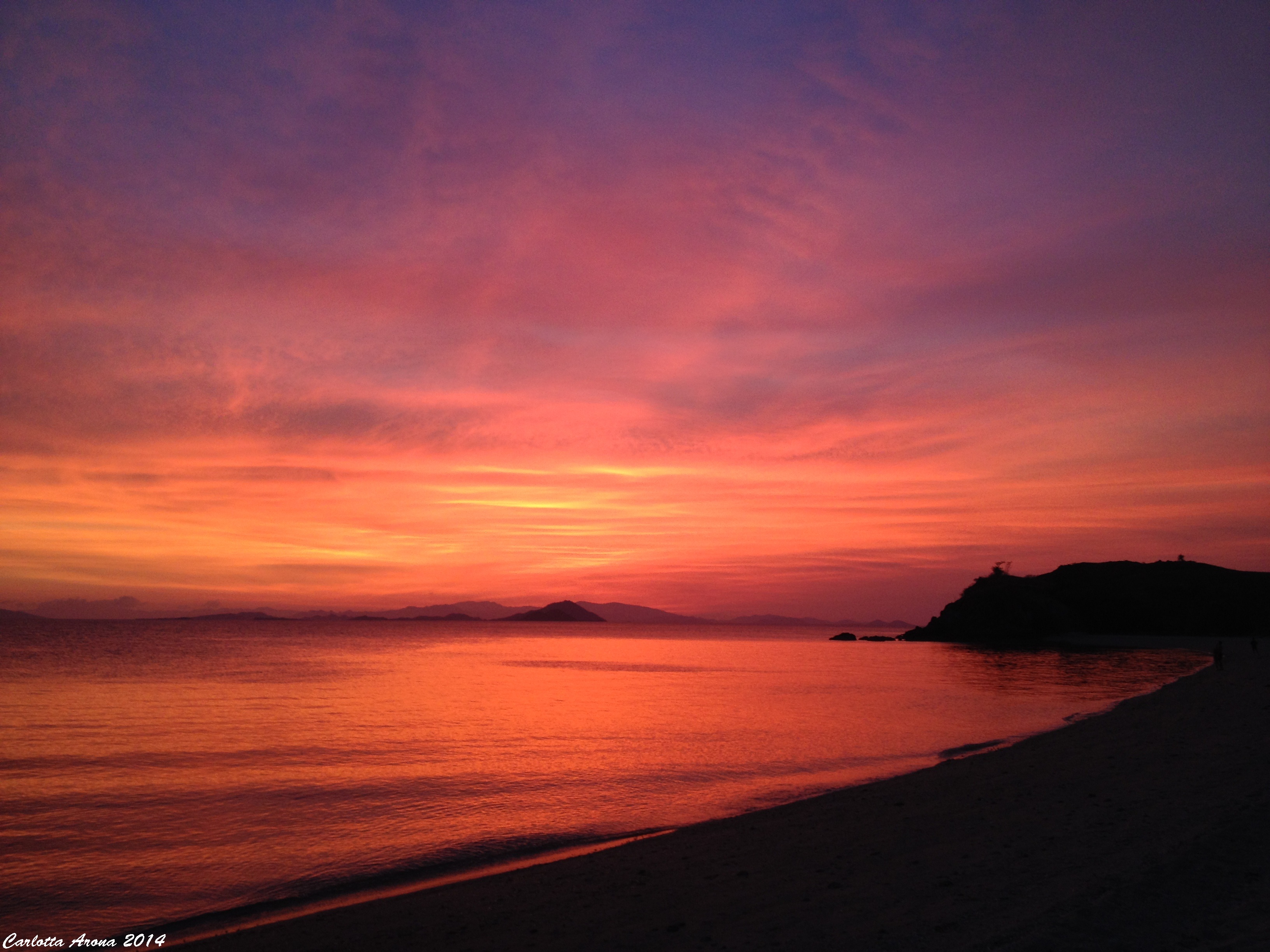
    Sunsets from this island are probably the best ones I have ever seen in my life. Literally bleeding with intense colours and shades. From red to orange to yellow, purple and pink. Never have I seen so many different shades and hues together. The perfect ending to a beautiful day in paradise.
    THE RESTAURANT

    The restaurant offers magnificent views of the ocean and surrounding mountains. The extended menu gives guests the choice of a huge variety of traditional Indonesian and Western dishes.

    My all time favourite is Beef Rendang, a traditional rich and spicy Indonesian curry original from Sumatra. Beef is marinated in local spices and then slowly cooked for hours into the curry sauce which is a mix of garlic, ginger, chilli, lemongrass and many other spices.

    It melts in the mouth with an explosion of flavours. Simply mouthwatering. No one can leave Indonesia without trying this amazing dish.

    SCUBA DIVING FROM ANGEL ISLAND RESORT

    From Angel Island Resort the boat leaves daily at 8am. It is a pleasant boat ride through the National Park’s islands before getting to the dive sites. It takes between 1.5 hours to 2 hours depending on the dive sites and sea condition.

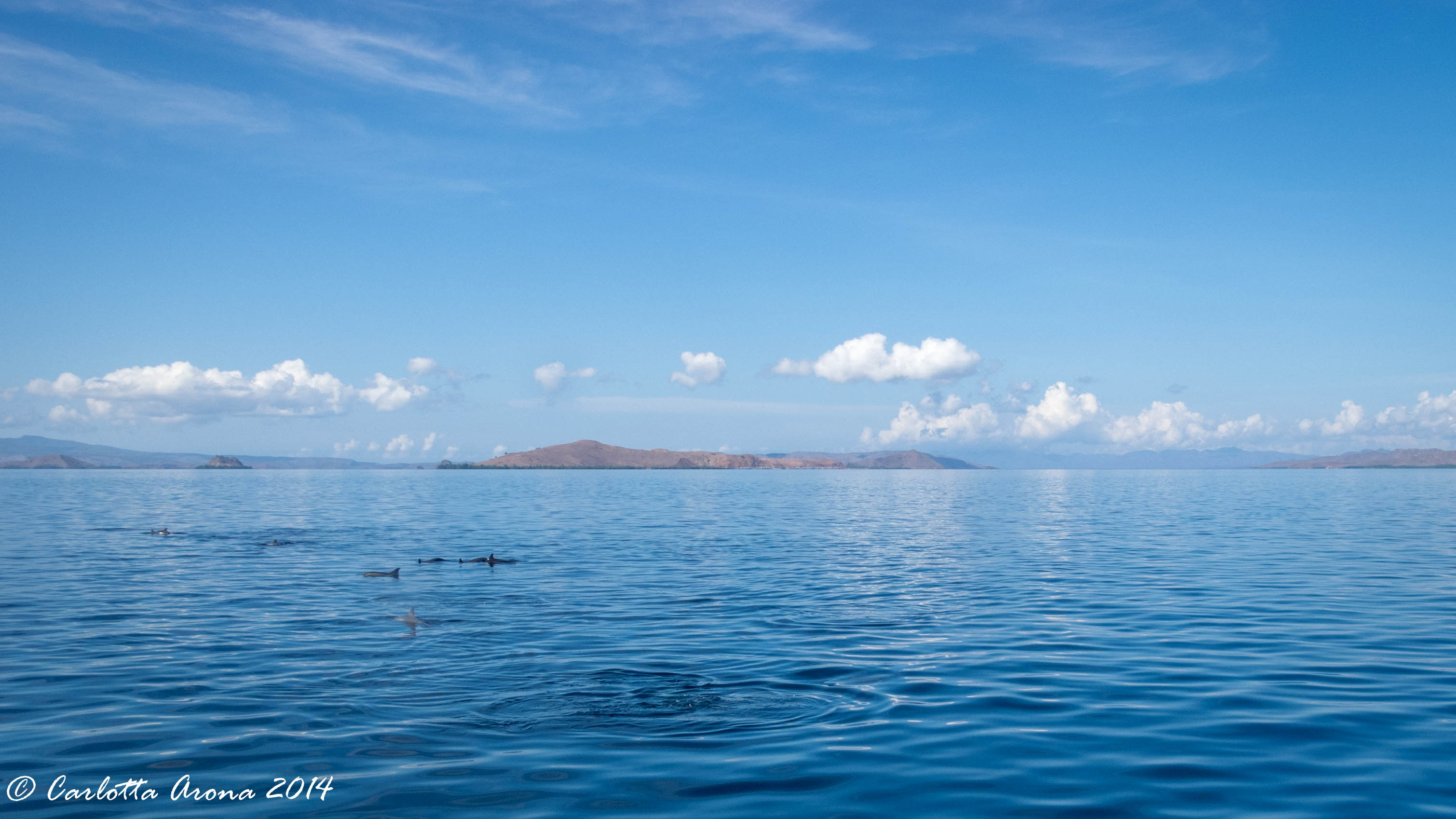
    There is great opportunity to take photos of the stunning landscape and possible encounters with Dolphins along the way.

    Click here for more info about scuba diving in Komodo.

    THE STAFF

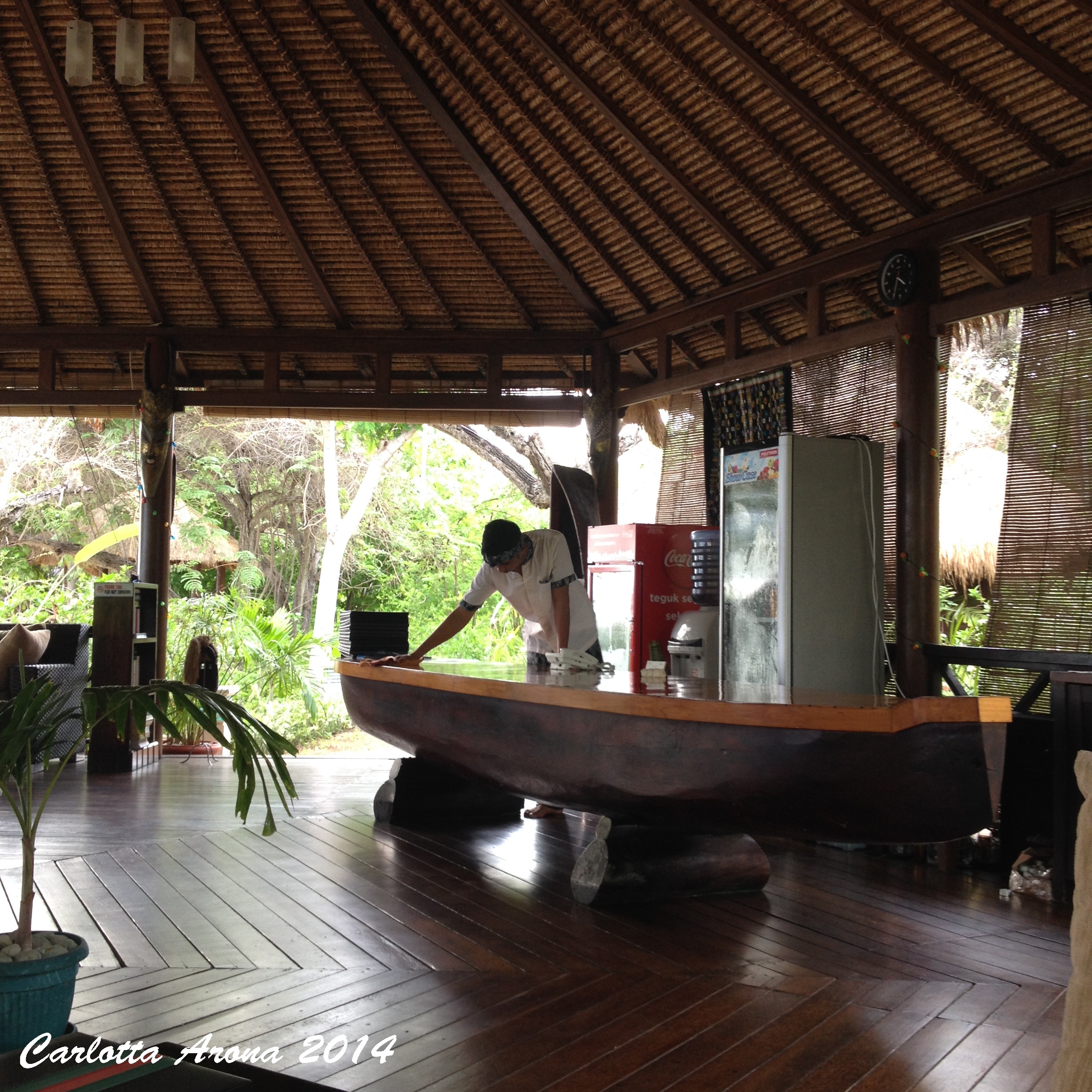
    What makes the resort even more special is its staff. The owners employ local staff from the nearby areas. They are absolutely fantastic, smiley and helpful from the moment you set foot on to the island.

    They are well mannered and polite. They will do their best to accommodate the guests needs and requests. Each one of them always sporting a beautiful heartwarming bright smile that will stay with you for a long time.

    In my opinion, Indonesians have the best smile in the wold. It comes from their heart.
    HOW TO BOOK

    You can contact the resort directly through their website.

    WHEN TO GO

    The resort is open from beginning of March till mid January.

    HOW TO GET THERE

    Fly to Labuan Bajo from Bali with Garuda airline, Lion Air and Wings Air

  • Komodo National Park

    Komodo National Park

    Last year Dom and I had the opportunity to work in Komodo National Park. It is a stunning place, the best place I worked so far.

    KOMODO NATIONAL PARK

    The 29 mostly uninhabited volcanic islands of Komodo National Park present a very dramatic landscape. It is a pleasure for the eyes. Savannah and sporadic trees cover the tall rugged hillsides.  The hills drop down to the strikingly white beaches contrasting with the surrounding green mangroves.

    Komodo National Park lies off Flores Island, between the provinces of East Nusa Tenggara and West Nusa Tenggara. The dry climate and lack of rain for most of the year make cause this area to be much more rugged compared with the rest of Indonesia.

    Komodo, Scuba Diving

    This area is nicknamed “the dry tropics”. From April to November, the rainfall is almost non-existent. This particular climate makes for totally unique settings.

    Apart from a few fishing villages and communities, the Komodo Dragons are the most notorious inhabitants of the National Park. They are found on the two larger islands, Komodo and Rinca. Every year, a large number of intrepid tourists from all over the world is attracted by these aggressive and rather ugly huge lizards. As a fact, they are the largest lizards in the world.

    The National Park was founded in 1980, initially to protect the Dragons. Later on the Government. also aimed to protect the abundant marine life by forbidding fishing within the Park. In 1991 Komodo National Park became a UNESCO World Heritage.

    Komodo, Scuba Diving

    SCUBA DIVING

    Nowadays, scuba diving is considered the main tourist attraction of Komodo National Park. Dive shops are literally growing overnight in Labuan Bajo. Komodo is home to some of the best scuba diving in the world. It offers many different dive sites and an abundance of marine life that is not common in any other area.

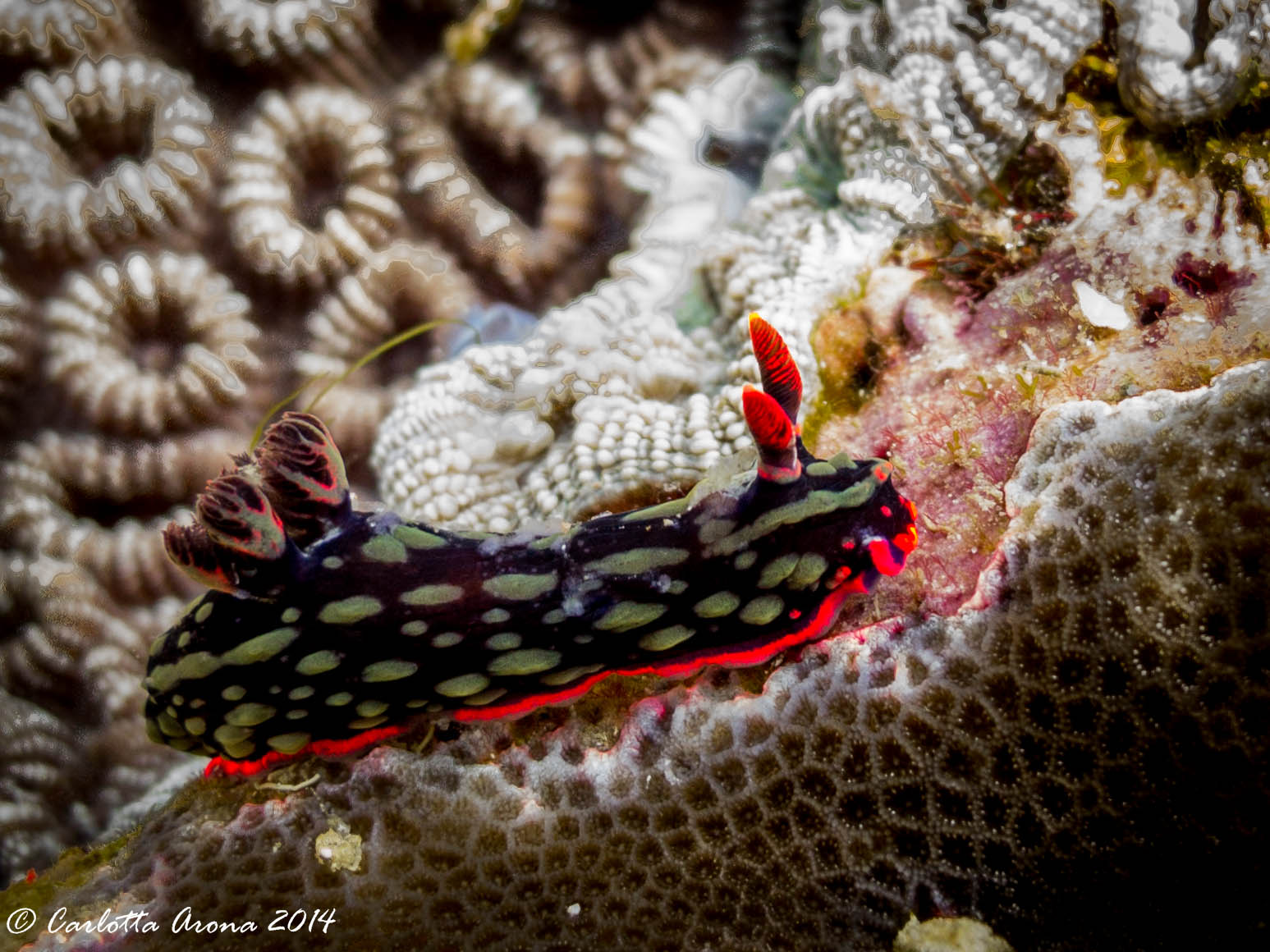
    Many of the dive sites can be dived on day trips. Others are too far and can only be dived from liveaboards. Many species can be seen. From Sharks to Mantas to schooling Jacks, Barracudas, Sweetlips, Batfish and tiny critters just to name a few. There are many possible encounters when scuba diving in Komodo.

    Komodo, Scuba Diving

    DIVING CONDITIONS

    The conditions in Komodo can be very extreme and challenging. Some of the dive sites are not suitable for beginners or inexperienced divers due to the very strong currents. However, strong currents are what make the marine life here so unique.

    Soft corals have a close relationship with strong currents, for they need this environment to grow. Big fish love strong currents too. It is their favourite playground. If there were no strong currents Komodo National Park would not be what it is!

    Komodo, Scuba Diving

    Strong currents here are due to two factors. A rather shallow sea bottom (maximum depth reaches approximately 90 mt.) and the position of Komodo and Rinca islands create a long narrow channel between them. These two agents cause strong tidal currents, for there is a great amount of water channelled through this small passage at falling and rising tides. Of course, they are not strong all the time. Sometimes you might go to a dive site and find ripping washing machine currents, then go back another day to the same site and there will be no currents!

    Some dives can be an adrenaline burst full of excitement. It needs to be said that sharks and Mantas are huge fans of strong currents. Komodo is blessed with good visibility most of the time.

    Komodo, Scuba Diving

    DIVE SITES

    The many dive sites are located in the North, Middle and South of the National Park. The South area is mainly dived by liveaboards due to the long distance from the mainland. However, the best dive sites are located in the North and Middle and they are easily reachable on a day trip. Every dive site has something special to offer but some are more special than others.

    Komodo, Scuba Diving

    North:

    Crystal Rock, Castle Rock and Cauldron are not to be missed. They are all advanced dives due to strong currents. Big chances to encounter big fish! Giant Trevally, White Tip and Grey Reef Sharks and occasionally Mantas.

    Komodo, Scuba Diving

    Middle:

    Batu Bolong – advanced dive, on a lucky day you might spot the magnificent Napoleon Wrasse and White Tip Sharks.

    White Sands and Airstrip for Mantas, Tatawa Besar and Siaba Kecil for a fun-filled drift dive hovering above a pristine colourful coral garden, Waenilu for critters lovers. These are all dives suitable for beginners as well as experienced divers depending on the day conditions.

    Komodo, Scuba Diving

    WHEN TO VISIT

    We were in Komodo from June till the end of December. The conditions were good all the time. Mantas populate the waters from October to June.

    Visibility from March to November reaches 25-30+ meters. During the rainy season December to March, it can drop to 7-10 meters.

    Water temperatures range between 25-29C.

    The busiest months are July, August, October and November.

    Komodo, Scuba Diving

    HOW TO GET THERE AND WHERE TO STAY

    Labuan Bajo is the gateway to Komodo National Park.

    It is easily reachable with daily flights from Bali (Garuda airline, Lion Air and Wings Air).

    The town is in continuous growth and a new airport was opened in June 2014. Works are still going on at the airport to make it an international hub.

    The area is expecting a great number of tourists coming. Labuan Bajo offers a good choice of accommodations ranging from backpackers to high-end.

    Komodo, Scuba Diving

    For divers that want to enjoy more peace and experience exclusive Komodo, Angel Island is the perfect destination.

    Angel Island Resort on Pulau Bidadari

    There are two other private island resorts:

    Komodo Resort on Pulau Sebayur

    Komodo, Scuba Diving

    AIRLINES

    Garuda airline

    Lion Air and Wings Air

    Have you ever dived in Komodo? Share your experience in the comments if you did!

    Komodo, Scuba Diving

    Komodo, Scuba Diving

    Komodo, Scuba Diving

    Komodo, Scuba Diving

  • Wreck Diving in Koh Chang: HTMS CHANG

    Wreck Diving in Koh Chang: HTMS CHANG

    After diving in some of the best diving destinations in the world, I would have not thought about scuba diving in Koh Chang.

    In Koh Chang, Dom and I were meeting Alfred, a friend of Dom’s he had not seen for few years. Alfred really wanted to do some dives, so we decided to research the area to see what was really worth diving.

    To our surprise we found out about a wreck dive that had not been there three year ago, when we last visited the island.

    HTMS CHANG WRECK

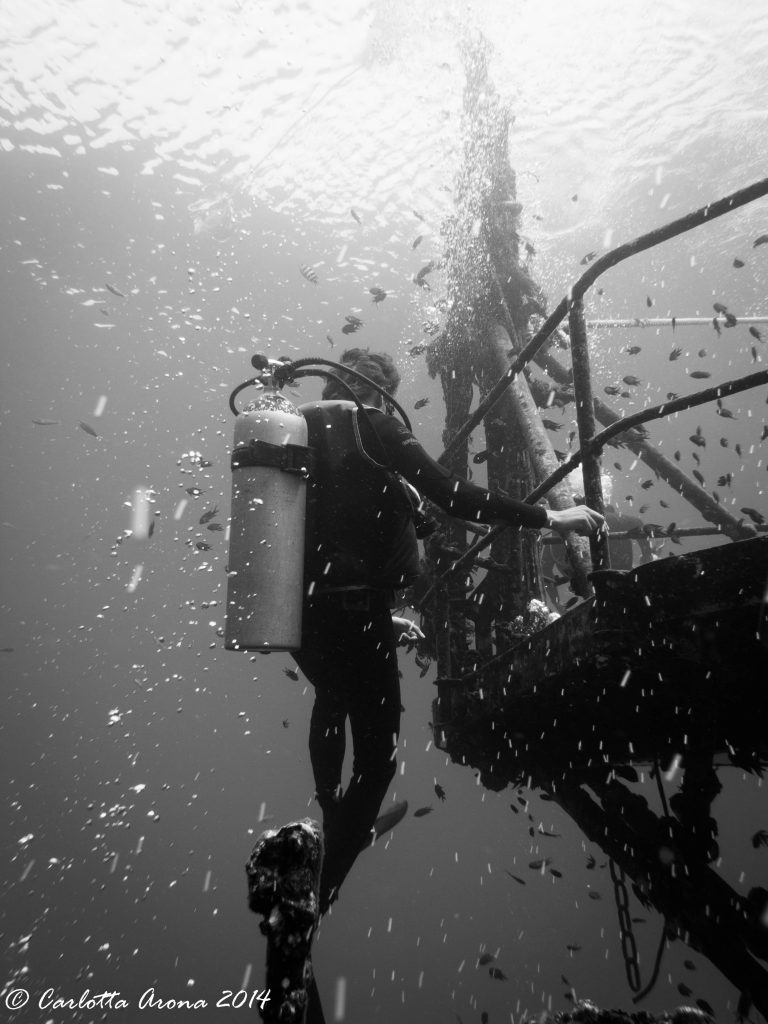
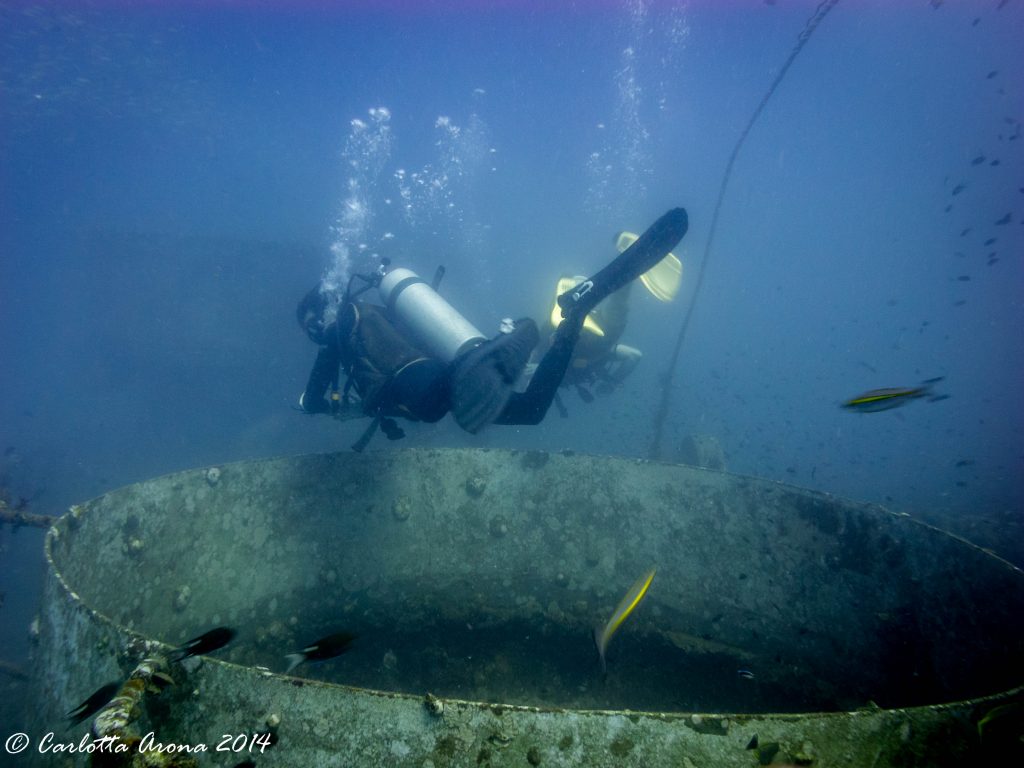
    The ship was sunk two years ago for the purpose of scuba diving in November 2012.

    HTMS Chang is now the largest ship wreck in Thailand.

    It has increased the diving tourism of the area, making it a sought after spot for wreck lovers.

    The dive was very dreamlike.

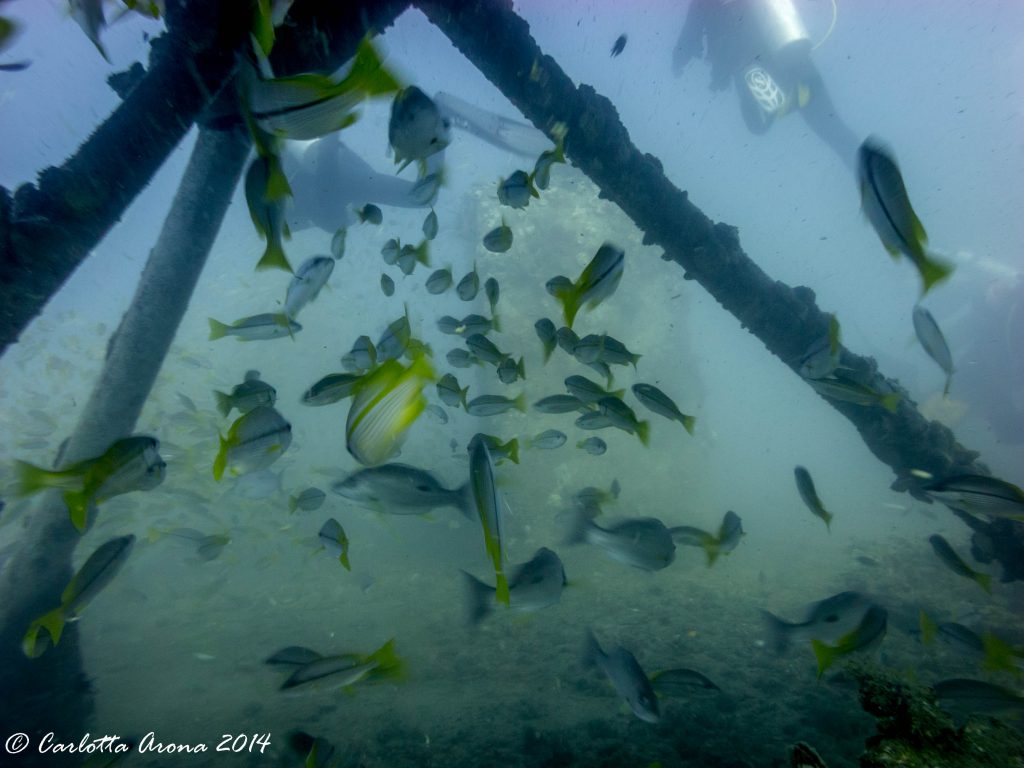
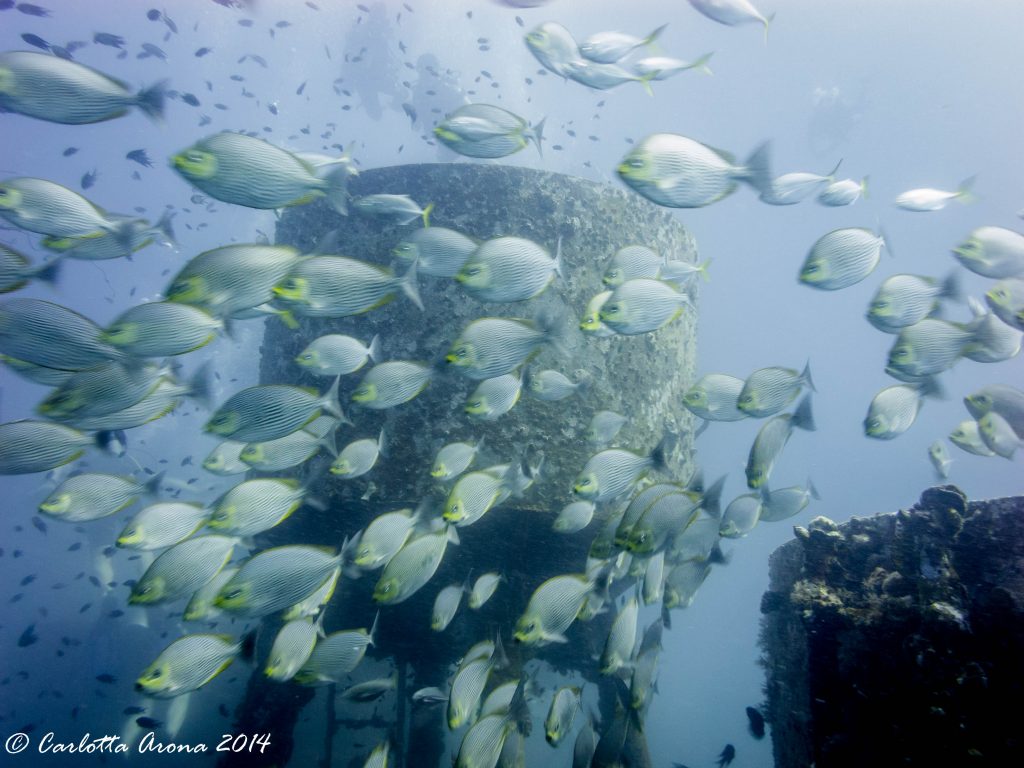
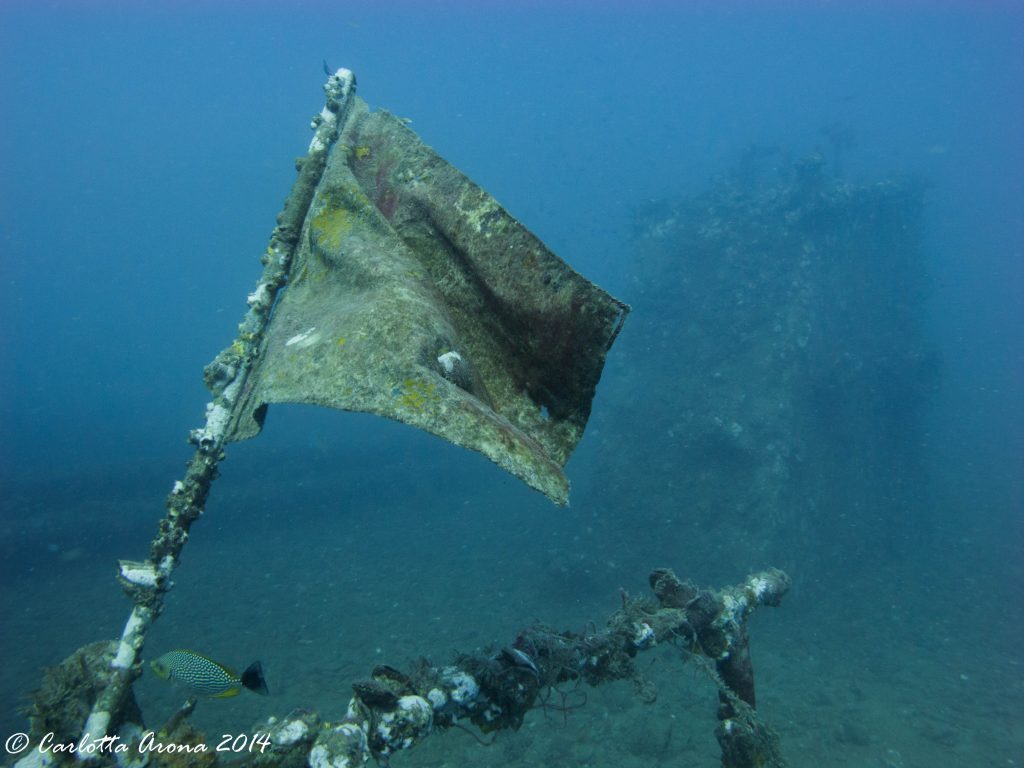
    The wreck is in good conditions and there is already an abundance of life growing on it.

    There was fantastic visibility, we could see big schools of Barracuda, Batfish, Butterfly fish and so on.

    They were all surrounding the wreck.

    More Info

    https://iamkohchang.com/activities/on-the-water/htms-chang-thailands-newest-wreck-dive.html

    https://bbdivers-koh-chang.com/en/

  • Diving Inside The Earth

    Diving Inside The Earth

    Cenote Nohoch Nah Chich.

    Another cave diving video editing project. Cave diving Cenote Nohoch Nah Chich (The Giant Bird Cage). It is one of the longest underwater cave systems in the world. Starring Dom, Peter and myself.

    https://www.youtube.com/watch?v=iCwt9Ulpfho


  • Cave Diving

    Cave Diving

    My latest video editing project. A video of cave diving in Cenote Minotauro in the Riviera Maya, Mexico. Three mates (Pete, Dom & Keiran) cruising into darkness. Filmed by my friend and cave diver Peter Tovey.

    https://www.youtube.com/watch?v=0UzfohVH7as


  • Best Diving spots in Playa Del Carmen

    Best Diving spots in Playa Del Carmen

    Some highlights of the underwater world in and around Playa del Carmen.

    In my opinion, the following are the best dive sites around Playa Del Carmen.

    Tortugas (Turtles) – Max depth: 30 meters, intermediate/advanced dive.

    This is a very famous dive site because, guess what? As the name suggests, it is populated by Turtles (mainly Green Turtles but also Hawksbill can be spotted). It is also a good spot for Barracudas and large Rays (Eagle Rays on a very lucky day).

    It is a long carpet reef with huge Barrel Sponges scattered along. It can be described as a runway for turtles and divers. There is always a moderate to strong drift which makes for a great cruising along drift dive.

    Barracuda – Max depth: 15 meters, intermediate dive.

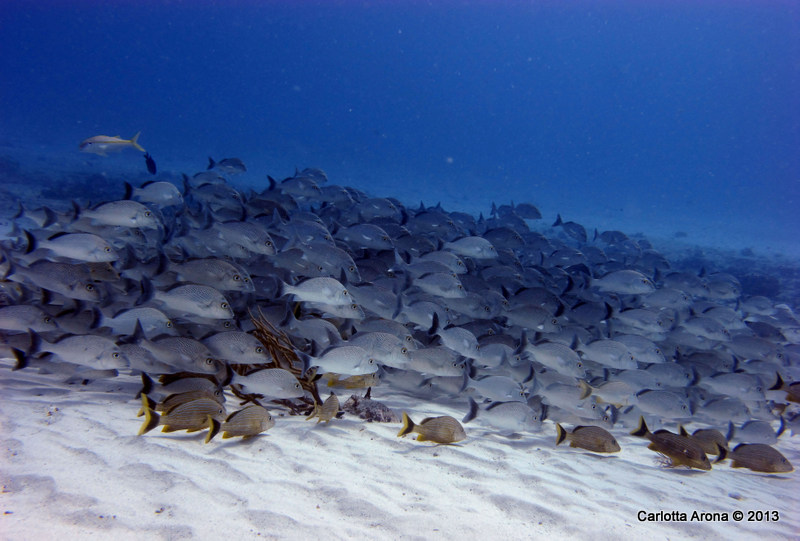
    This can be also a drift dive with moderate current. It is well known for large schools of Barracudas and colourful Grunts and Snappers. It has an interesting topography reminding the fingers of a hand. There are few small swim through and over-hangs that are just lush with Morays, Shrimps and Crabs.

    Jardines (Gardens) – Max depth: 12 meters, suitable for all levels.

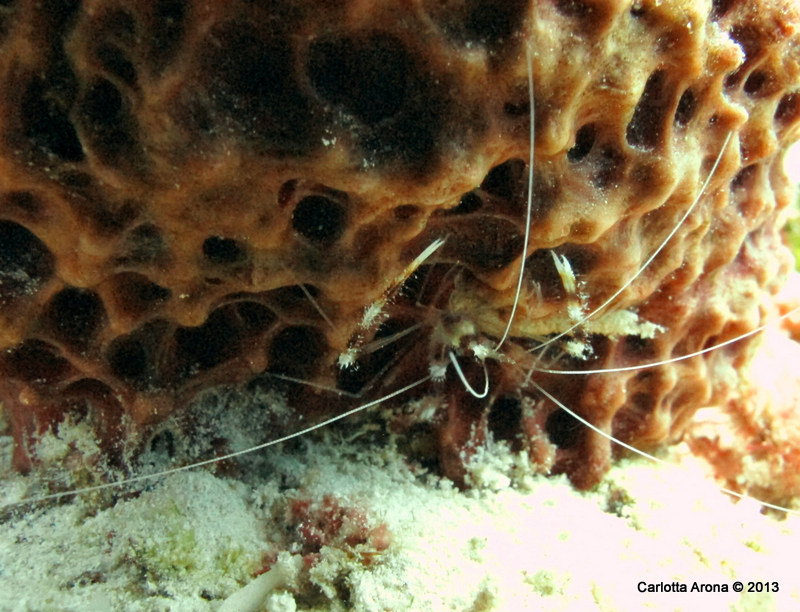
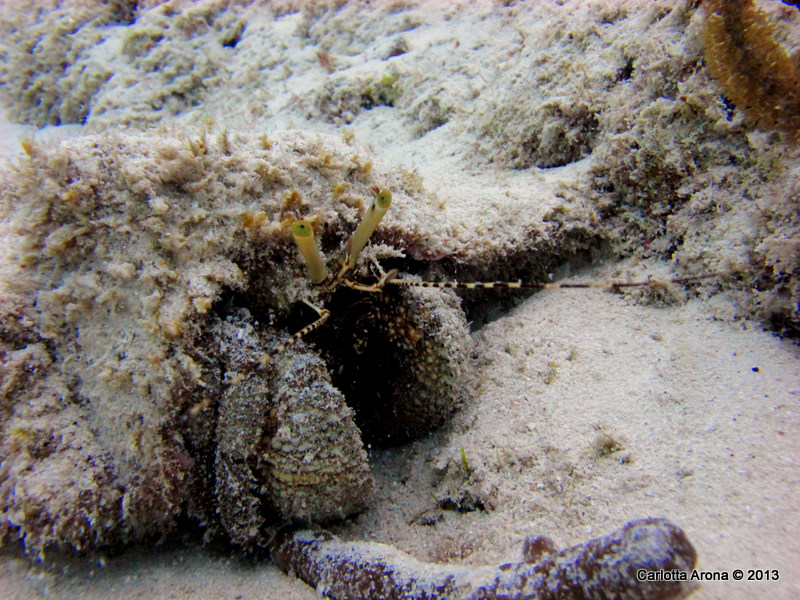
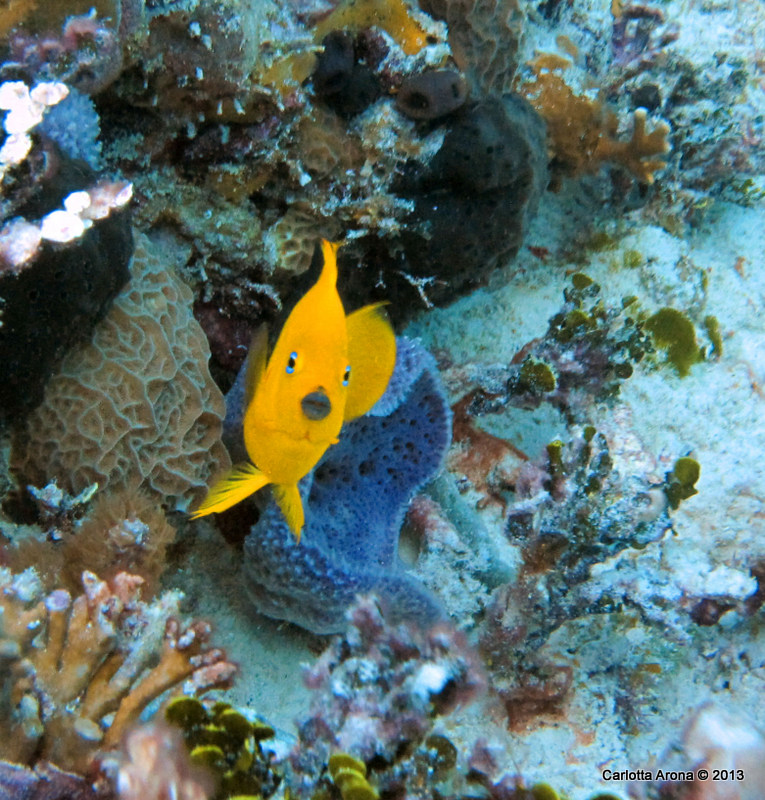
    This is one of my favourite dive sites. No currents (besides the occasional very gentle drift), and very pleasant to explore. It is great for macro photography. It is worth it to spend some time exploring through the rocks to find Morays, Lobsters, Shrimps, Crabs and spotted Rays.


    Jardines Deep – Max depth: 25 meters, advanced dive.

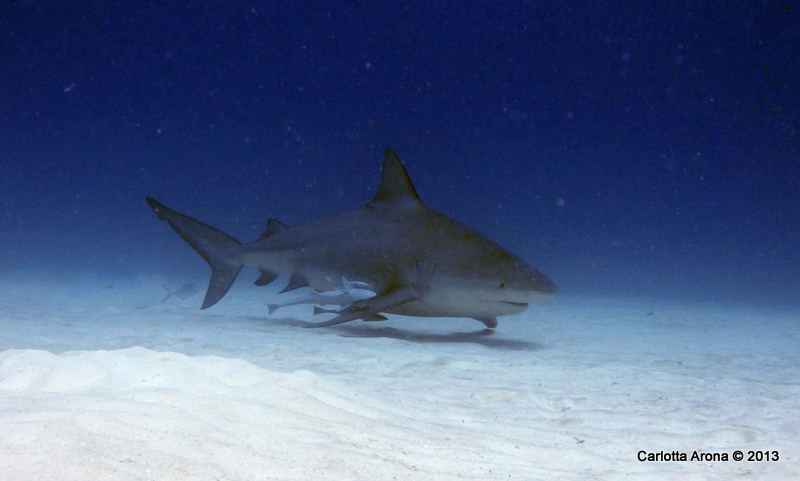
    This dive site is popular during Bull Shark season from November to March. There is no reef. There is only sand and Bull Sharks.


    Mama Viña Shipwreck – Max depth: 30 meters, advanced dive.

    This used to be a shrimping ship and it was sunk in 1995 for the purpose of scuba diving. There are lots of schooling fish hanging around this wreck.

    Spade fish, Jacks and Barracudas can be often spotted. Currents can be quite strong at times. Great dive!

    Playa Del Carmen is good to dive all year round.